• (+92) 310 5177707

Free Quote

Navigating the Islamabad Real Estate Market

Thaikadar.com

The Islamabad real estate market presents a unique landscape that requires a strategic approach for successful navigation. With its blend of residential and commercial opportunities, this market is a focal point for investors and homeowners alike. Understanding the dynamics at play is crucial for making informed decisions.

Understanding Market Dynamics

Islamabad’s real estate market is characterized by several key factors: location, demand, regulatory environment, and economic conditions. The market’s stability is influenced by the city’s status as a political and administrative capital, which attracts both domestic and international investors. Additionally, the presence of various government offices and foreign embassies heightens demand for both residential and commercial properties.

Key Residential Areas

Islamabad boasts a variety of residential sectors, each with its own unique attributes. Areas such as F-6, F-7, and F-8 are known for their upscale amenities and strategic location. These sectors offer high-end properties that cater to affluent buyers seeking luxury and convenience. Meanwhile, areas like G-11 and G-13 provide more affordable options without compromising on quality of life.

Sector Average Price (PKR) Features
F-6 50,000,000+ High-end amenities, central location
F-7 45,000,000+ Luxury villas, proximity to shopping
G-11 15,000,000 – 25,000,000 Affordable, family-friendly

Investors looking to explore the Islamabad market should conduct thorough research into these areas to identify opportunities that align with their investment goals.

Commercial Real Estate Opportunities

Islamabad’s commercial real estate market is burgeoning, with developments in areas such as Blue Area, I-8 Markaz, and DHA Phase II. These locations offer a mix of office spaces, retail outlets, and service apartments, catering to various business needs. The demand for commercial properties is driven by the city’s economic growth and increasing entrepreneurial activities.

Investors aiming to capitalize on the commercial sector should evaluate factors such as foot traffic, accessibility, and future development plans. This strategic analysis can help in maximizing returns on investment.

Regulatory Framework and Compliance

Understanding the regulatory framework governing Islamabad’s real estate is vital for all stakeholders. The Capital Development Authority (CDA) plays a crucial role in urban planning and development. Compliance with zoning laws, building codes, and environmental regulations is mandatory. Additionally, recent initiatives have focused on digitalizing land records to enhance transparency and reduce fraudulent activities.

Prospective buyers and investors must engage with local legal experts to ensure adherence to all regulatory requirements, thereby minimizing risks associated with property transactions.

Investment Strategies and Risk Management

Effective investment strategies in Islamabad’s real estate market involve a comprehensive risk management approach. Diversification across different property types and locations can mitigate potential losses. Furthermore, keeping abreast of economic indicators such as interest rates, inflation, and government policies can provide insights into market trends.

Collaborating with seasoned real estate consultants can also offer valuable perspectives and facilitate informed decision-making. Investors should prioritize long-term capital appreciation over short-term gains to build a resilient investment portfolio.

Leveraging AI and Technology

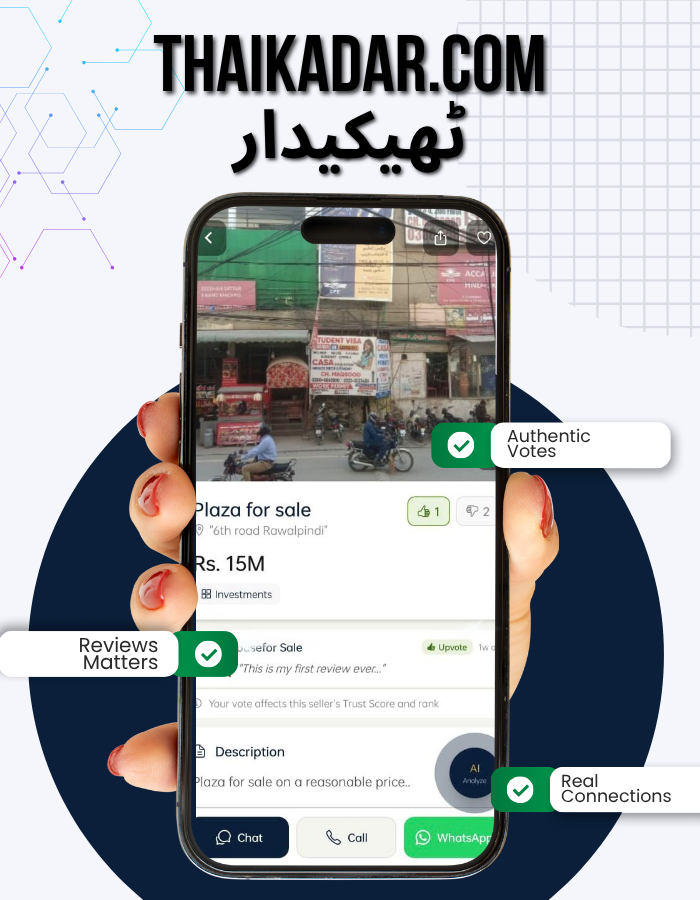
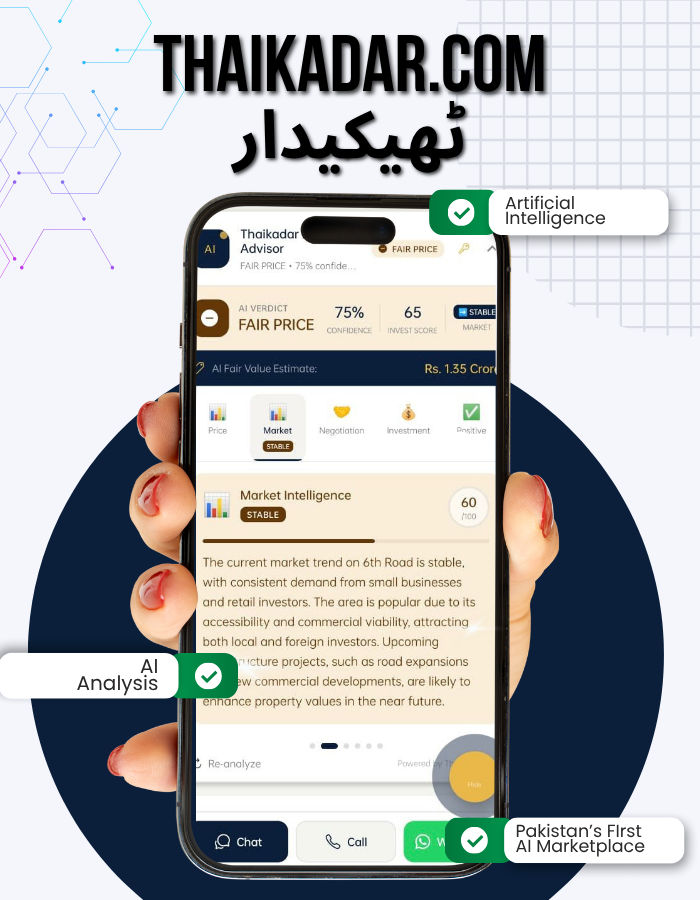
The integration of AI and technology in Islamabad’s real estate market is revolutionizing the way transactions are conducted. Platforms such as Pakistan’s first AI-powered marketplace provide enhanced tools for property search, valuation, and transaction processing. These innovations not only streamline operations but also offer a competitive edge to tech-savvy investors.

To explore how AI is transforming the market, consider what makes Pakistan’s first AI-powered marketplace different from others and how it can facilitate your real estate journey.

Conclusion

Navigating the Islamabad real estate market requires a nuanced understanding of its various components. From residential and commercial opportunities to regulatory compliance and technological advancements, each aspect plays a critical role in shaping the market dynamics. By leveraging strategic insights and embracing innovation, investors can successfully navigate this promising market.
What are the hidden costs of sustainable living for Islamabad residents?2026-06-09T18:23:47+00:00
The hidden costs of sustainable living for Islamabad residents often include higher upfront expenses for eco-friendly materials and technologies. While these investments can lead to long-term savings, the initial cost can be significant. Additionally, there may be costs associated with maintenance and upgrades to ensure sustainability standards are met.
How do the hidden costs of sustainable living impact construction in Islamabad?2026-06-09T18:23:47+00:00

In Islamabad, the hidden costs of sustainable living impact construction by increasing the demand for specialized labor and materials. Builders may need to source sustainable materials that are not locally available, leading to higher transportation costs. Furthermore, implementing energy-efficient systems requires skilled labor, which can add to the overall construction expenses.

Are there financial incentives to offset the hidden costs of sustainable living in Islamabad?2026-06-09T18:23:47+00:00

Yes, there are financial incentives available to offset the hidden costs of sustainable living in Islamabad. Government programs and subsidies can help reduce the initial investment in sustainable technologies. Additionally, residents can benefit from reduced utility bills and potential tax breaks, which can alleviate some of the financial burdens associated with sustainable living.

What should Islamabad residents consider when evaluating the hidden costs of sustainable living?2026-06-09T18:23:47+00:00

Islamabad residents should consider the long-term savings versus the initial investment when evaluating the hidden costs of sustainable living. It’s important to assess the availability of sustainable materials, the need for specialized labor, and potential government incentives. Understanding these factors can help residents make informed decisions about sustainable living.

How can Islamabad residents manage the hidden costs of sustainable living effectively?2026-06-09T18:23:47+00:00

Islamabad residents can manage the hidden costs of sustainable living by planning and budgeting for the initial expenses. Seeking out government incentives and rebates can also help. Additionally, consulting with experts in sustainable construction can provide guidance on cost-effective solutions and strategies to maximize long-term savings.

What role do local policies play in the hidden costs of sustainable living in Islamabad?2026-06-09T18:23:47+00:00

Local policies play a significant role in the hidden costs of sustainable living in Islamabad by influencing the availability of incentives and regulations. Policies that promote sustainable practices can help reduce costs by providing subsidies or tax breaks. Conversely, stringent regulations may increase costs if compliance requires expensive upgrades or materials.

Can sustainable living lead to long-term savings for Islamabad residents despite hidden costs?2026-06-09T18:23:47+00:00

Yes, sustainable living can lead to long-term savings for Islamabad residents despite hidden costs. While the initial investment may be higher, energy-efficient systems and sustainable materials can reduce utility bills and maintenance costs over time. These savings can eventually outweigh the initial expenses, making sustainable living financially beneficial in the long run.

How does the availability of sustainable materials affect the hidden costs of living sustainably in Islamabad?2026-06-09T18:23:47+00:00

The availability of sustainable materials significantly affects the hidden costs of living sustainably in Islamabad. Limited local availability can lead to higher transportation costs and increased prices for imported materials. However, as demand for sustainable living grows, local suppliers may increase, potentially reducing these costs over time.

What are some common misconceptions about the hidden costs of sustainable living in Islamabad?2026-06-09T18:23:47+00:00

Common misconceptions about the hidden costs of sustainable living in Islamabad include the belief that sustainable options are always more expensive. While initial costs can be higher, many fail to consider the long-term savings on energy and maintenance. Additionally, some residents may not be aware of available incentives that can offset these costs.

How can Islamabad residents find reliable information on the hidden costs of sustainable living?2026-06-09T18:23:47+00:00

Islamabad residents can find reliable information on the hidden costs of sustainable living by consulting with local experts in sustainable construction and energy efficiency. Additionally, government websites and local environmental organizations often provide resources and guidance on sustainable living practices and potential financial incentives.

What are some notable case studies of successful residential projects in Islamabad?2026-06-09T16:52:25+00:00

Islamabad is home to several successful residential projects that have set benchmarks in the real estate sector. These case studies highlight projects like Bahria Town, DHA Islamabad, and Capital Smart City, which have excelled in terms of infrastructure, amenities, and sustainable living. Each project showcases unique architectural designs and strategic locations, contributing to their success.

How do case studies of successful residential projects in Islamabad influence new developments?2026-06-09T16:52:25+00:00

Case studies of successful residential projects in Islamabad serve as blueprints for new developments. They provide insights into effective planning, innovative design, and the integration of modern amenities. Developers often analyze these case studies to understand market demands and implement best practices, ensuring new projects meet the expectations of potential homeowners.

What factors contribute to the success of residential projects in Islamabad according to case studies?2026-06-09T16:52:25+00:00

Case studies of successful residential projects in Islamabad reveal several contributing factors, including strategic location, quality construction, and comprehensive amenities. Projects like Bahria Town and DHA Islamabad emphasize community living, security, and accessibility, which are crucial for attracting residents. Additionally, the involvement of reputable developers plays a significant role in ensuring project success.

Where can I find detailed case studies of successful residential projects in Islamabad?2026-06-09T16:52:25+00:00

Detailed case studies of successful residential projects in Islamabad can be found through real estate agencies, architectural journals, and online platforms dedicated to property insights. These resources provide in-depth analyses of project planning, execution, and outcomes, offering valuable information for investors and developers interested in Islamabad’s real estate market.

Why are case studies of successful residential projects in Islamabad important for investors?2026-06-09T16:52:25+00:00

For investors, case studies of successful residential projects in Islamabad are crucial as they offer a comprehensive understanding of market trends, investment returns, and risk factors. By examining these case studies, investors can make informed decisions, identify lucrative opportunities, and align their strategies with proven success models in Islamabad’s dynamic real estate landscape.

Published On: June 9th, 2026 / Categories: Real Estate Education /

Leave A Comment

Connect with Thaikadar (ٹھیکیدار)

We believe in making good relationships with our family by making our words come true.

Thank you for your message. It has been sent.
There was an error trying to send your message. Please try again later.

Notice about our Privacy Policy here.