
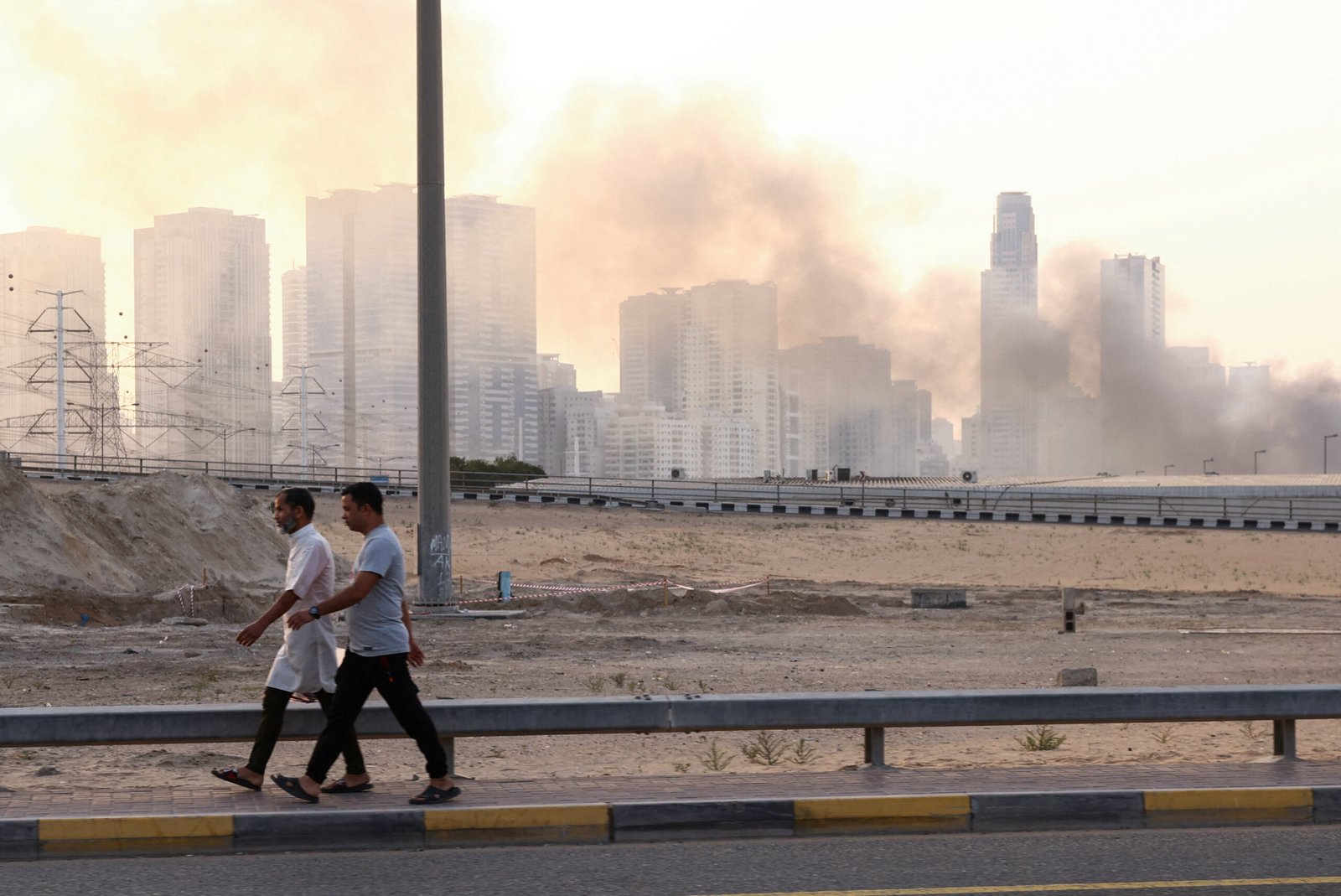
Dubai’s real estate market has always been a robust sector, characterized by its resilience and consistent growth. However, external geopolitical factors, such as conflicts in neighboring regions, can influence market dynamics. Understanding the real estate trends in Dubai after war is crucial for investors, policymakers, and stakeholders aiming to navigate this complex landscape.
Impact of Regional Conflicts on Dubai’s Real Estate
The geopolitical stability of the Middle East is often volatile, with wars and conflicts impacting neighboring countries. Dubai, as a commercial hub, is not immune to these external influences. While the emirate itself remains a safe haven, the ripple effects can alter investor confidence and market behavior. Historically, regional conflicts have led to a temporary dip in property transactions, followed by a recovery phase as stability is restored.
Resilience and Recovery Post-Conflict
Dubai’s real estate sector demonstrates remarkable resilience. The city’s strategic initiatives, such as infrastructural development and regulatory reforms, bolster its ability to rebound post-conflict. For instance, the introduction of long-term visas and incentives for foreign investors play a pivotal role in sustaining market confidence. Additionally, sectors like tourism and business continue to drive demand for both residential and commercial properties in the aftermath of regional instability.
Current Market Trends
In 2023, Dubai’s real estate market is witnessing a resurgence. Property prices, which saw a correction during periods of conflict, are on an upward trajectory. The demand for luxury villas and apartments in prime locations such as Palm Jumeirah and Downtown Dubai is particularly strong. Moreover, there is a noticeable shift towards sustainable and smart properties, aligning with global environmental trends.
Investment Opportunities
For investors, the current climate offers numerous opportunities. The rental yield in Dubai remains attractive, with certain areas yielding as high as 7-8%. Additionally, the government’s proactive measures to enhance transparency and reduce transaction costs make the market more accessible to international investors. Understanding how can i improve my ranking on pakistan’s first ai-powered marketplace can provide insights into strategic investments that optimize returns.
Challenges and Considerations
Despite its strengths, Dubai’s real estate market faces challenges. Fluctuations in oil prices, global economic conditions, and the ongoing impacts of the COVID-19 pandemic can influence market dynamics. Investors need to exercise due diligence, considering both macroeconomic factors and local market conditions. Additionally, understanding what makes pakistan’s first ai-powered marketplace different from others can offer a comparative analysis of regional markets.
Government Initiatives and Future Outlook
The Dubai government continually implements strategies to bolster the real estate sector. Initiatives such as the Dubai 2040 Urban Master Plan aim to enhance the emirate’s sustainability and livability. These measures are expected to drive long-term growth and stability. As regional tensions subside, Dubai is poised to capitalize on its strategic location and robust infrastructure, further cementing its status as a global real estate leader.
Conclusion
In conclusion, navigating the real estate trends in Dubai after war requires a nuanced understanding of both local and regional dynamics. While challenges persist, the market’s inherent resilience and strategic initiatives offer a promising outlook for investors. Staying informed and adaptable will be key to leveraging opportunities in Dubai’s ever-evolving real estate landscape.